
Introduction
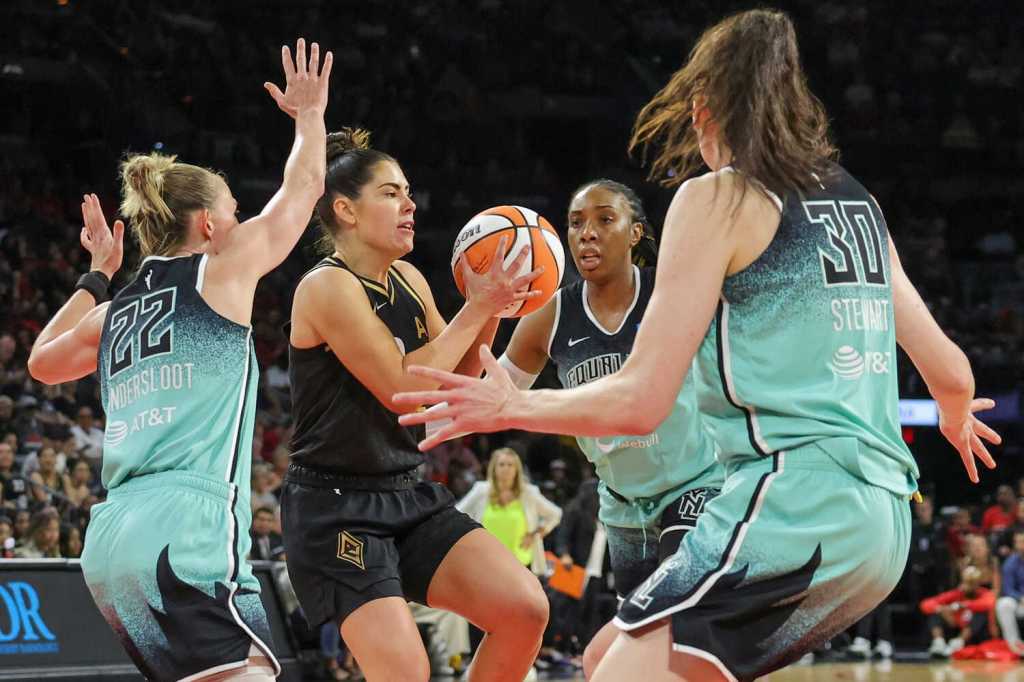
The Women’s National Basketball Association (WNBA) stands as the premier professional women’s basketball league in the United States. Established in 1996, the WNBA has grown into a platform showcasing top-tier talent, competitive gameplay, and a commitment to advancing women’s sports. This article provides an in-depth look at the WNBA, covering its history, key teams, notable players, and the league’s impact on the sports world.
History and Evolution
1. Formation and Early Years
The WNBA was founded in April 1996, with the inaugural season tipping off in June 1997. The league started with eight teams and aimed to provide a professional platform for women’s basketball players, filling a significant gap in the sports landscape. The inaugural champion was the Houston Comets, who set a high standard with four consecutive titles from 1997 to 2000.
2. Growth and Expansion
Over the years, the WNBA has expanded its roster of teams and gained a larger following. The league has introduced new franchises, adjusted its structure, and adapted to the evolving landscape of women’s sports. Today, the WNBA features 12 teams across the United States, each contributing to the league’s competitive and diverse nature.
3. Milestones and Achievements
The WNBA has celebrated numerous milestones, including historic player achievements, record-breaking performances, and significant media deals. The league’s dedication to promoting women’s basketball has resulted in increased visibility and respect for female athletes.
Key Teams and Rivalries
1. Top Teams
- Los Angeles Sparks: Known for their strong roster and consistent performance, the Sparks have won multiple championships and remain a formidable team in the league.
- Seattle Storm: With several championships to their name, the Storm are known for their competitive edge and talented players.
- Las Vegas Aces: The Aces have emerged as a dominant force in recent years, showcasing a blend of young talent and experienced veterans.
2. Notable Rivalries
The WNBA features several exciting rivalries that add intensity to the league. Rivalries between teams like the Sparks and the Storm, or the Aces and the Sky, often lead to thrilling matchups and high-stakes games.
Notable Players
1. Sue Bird
Sue Bird, a guard for the Seattle Storm, is one of the most accomplished players in WNBA history. With multiple championships, MVP awards, and an extensive international career, Bird’s contributions to the sport have been immense.
2. Diana Taurasi
Diana Taurasi of the Phoenix Mercury is another legendary figure in the WNBA. Known for her scoring ability and leadership, Taurasi has set numerous records and earned several MVP awards throughout her career.
3. Breanna Stewart
Breanna Stewart, a forward for the Seattle Storm, is a rising star in the league. Her versatility, scoring prowess, and defensive skills have made her a key player and a future Hall of Famer.
Impact on Women’s Sports
1. Advancement of Women’s Athletics
The WNBA has played a crucial role in advancing women’s athletics by providing a professional platform for female athletes. The league’s success has paved the way for greater recognition and support for women’s sports.
2. Social and Community Impact
Beyond the court, WNBA players and the league itself have been involved in social justice initiatives, community outreach, and advocacy for gender equality. The league’s efforts to address important issues have amplified its impact beyond basketball.
3. Media and Sponsorship
The WNBA’s growing media presence and sponsorship deals have contributed to the league’s visibility and financial stability. Increased media coverage and partnerships with major brands have helped elevate the profile of women’s basketball.
Future of the WNBA
1. Expansion and Growth
The future of the WNBA includes potential expansion, with discussions about adding new teams and exploring international markets. Continued growth will further enhance the league’s competitive landscape and global reach.
2. Player Development and Innovation
Investments in player development, technology, and innovative training methods will shape the future of the league. Enhancing player performance and maintaining a high standard of play will be key priorities.
3. Increased Fan Engagement
The WNBA aims to strengthen fan engagement through interactive experiences, community events, and digital platforms. Expanding its fan base and fostering deeper connections with audiences will be crucial for the league’s continued success.
Conclusion
The WNBA has established itself as a premier professional women’s basketball league, celebrated for its competitive play, talented athletes, and significant contributions to the advancement of women’s sports. From its early years to its current status, the league has made a lasting impact on the sports world, inspiring future generations of female athletes and continuing to push the boundaries of women’s basketball. As the WNBA looks to the future, its commitment to excellence, growth, and social impact will undoubtedly drive its continued success.
4o mini
 National Immigration Law
Leave a comment