
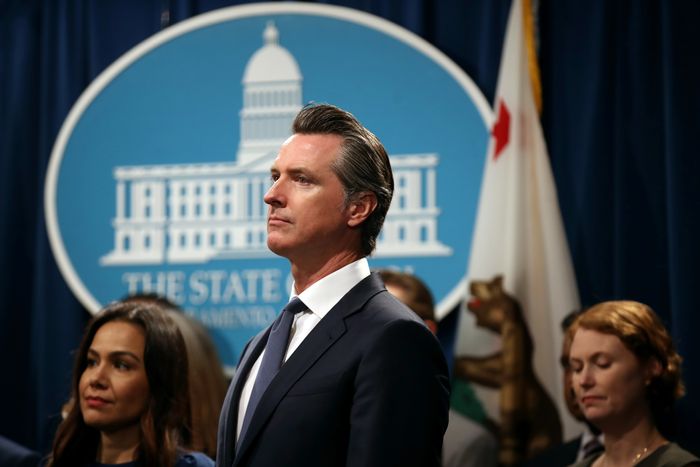
California has once again positioned itself at the forefront of labor rights by enacting a new law that significantly expands protections for gig economy workers. Governor Gavin Newsom signed the Gig Worker Protection Act into law, marking a major victory for labor advocates and a significant shift in how gig workers are classified and treated.
The new law, effective January 1, 2025, reclassifies many gig workers as employees rather than independent contractors, granting them access to a range of benefits, including minimum wage, overtime pay, and health insurance. The legislation also mandates paid sick leave and family leave, ensuring that gig workers have the same protections as traditional employees.
“California is leading the way in ensuring that all workers are treated fairly and have access to basic protections,” Governor Newsom said at the signing ceremony. “This law recognizes the contributions of gig workers and ensures they are not left behind in the evolving economy.”
Gig economy companies, such as Uber and Lyft, have expressed strong opposition to the law, arguing that it will increase operational costs and limit flexibility for workers. “This law threatens the very nature of the gig economy by imposing rigid employment structures,” said an Uber spokesperson. “We will continue to advocate for a model that provides protections without sacrificing flexibility.”
Labor unions and worker advocacy groups have praised the legislation, viewing it as a necessary step towards addressing the precarity of gig work. “For too long, gig workers have been denied basic rights and protections,” said Mary Kay Henry, president of the Service Employees International Union (SEIU). “This law is a significant advancement in the fight for worker justice.”
The Gig Worker Protection Act is expected to set a precedent for other states and potentially at the federal level, as debates over gig worker rights continue to gain momentum. As the law takes effect, its impact on the gig economy and broader labor market will be closely watched by both proponents and critics.
 National Immigration Law
Leave a comment