
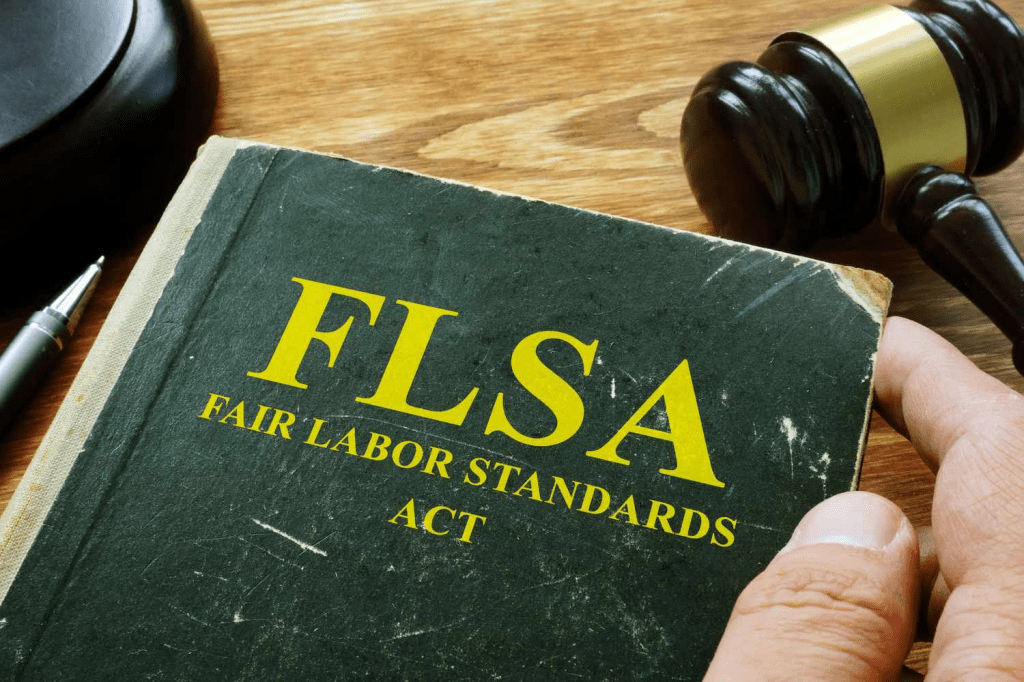
The Fair Labor Standards Act (FLSA) is a cornerstone of labor law in the United States, establishing critical standards for wages, overtime pay, and child labor. For employers, understanding the intricacies of FLSA law is essential to ensure compliance and foster fair workplace practices. This guide provides an overview of the key components of FLSA law and what employers need to know to stay compliant.
The Core Elements of FLSA Law
The FLSA sets the national standards for minimum wage, overtime pay, and youth employment, directly impacting millions of workers across the country. The law applies to both full-time and part-time workers in both the private sector and government roles. Understanding these core elements is crucial for employers to avoid costly legal penalties and maintain a compliant workplace.
Minimum Wage Requirements
One of the primary provisions of the FLSA is the establishment of a federal minimum wage, which currently stands at $7.25 per hour (as of 2024). However, many states and municipalities have enacted their own minimum wage laws, often setting rates higher than the federal minimum. Employers are required to pay the higher of the two rates applicable in their jurisdiction. It’s imperative for employers to stay updated on local minimum wage laws to ensure compliance and avoid wage violations.
Overtime Pay Standards
The FLSA also mandates overtime pay for eligible employees who work more than 40 hours in a workweek. The standard overtime rate is set at one and a half times the employee’s regular pay rate. However, not all employees are entitled to overtime pay; the FLSA outlines specific exemptions based on job duties, salary levels, and employment status. Employers must accurately classify employees to determine their eligibility for overtime pay, as misclassification can lead to significant legal and financial consequences.
Child Labor Protections
FLSA law also includes provisions to protect minors in the workplace. These regulations limit the hours that children under 18 can work and prohibit them from working in hazardous occupations. The goal of these provisions is to ensure that young workers are not exploited or placed in unsafe working conditions. Employers who hire minors must adhere strictly to these rules to avoid penalties and ensure the safety and well-being of young employees.
Recordkeeping Requirements
Under the FLSA, employers are required to maintain accurate records of employees’ wages, hours worked, and other conditions of employment. These records are essential for demonstrating compliance with the law and can be crucial in the event of an audit or legal dispute. Employers must ensure that their recordkeeping practices are thorough and up-to-date, covering all aspects of employee compensation and working hours.
The Consequences of Non-Compliance
Failing to comply with FLSA regulations can lead to severe repercussions for employers, including fines, back pay awards, and legal action. The U.S. Department of Labor (DOL) actively enforces FLSA compliance, and employers found in violation of the law may face investigations, lawsuits, and significant financial penalties. In addition to the direct costs, non-compliance can damage an organization’s reputation and erode employee trust.
Conclusion: The Imperative of Compliance
Compliance with FLSA law is not just a legal requirement but a fundamental aspect of ethical business practices. Employers who understand and adhere to FLSA regulations contribute to a fair and equitable workplace, fostering employee satisfaction and reducing the risk of legal disputes. By prioritizing FLSA compliance, employers can safeguard their organizations from legal challenges and build a foundation of trust and integrity in their workforce.
In the ever-evolving landscape of labor law, staying informed and proactive about FLSA requirements is crucial for any employer. By doing so, employers not only protect their businesses but also ensure that they are providing fair and just treatment to all employees, which is essential for long-term success.
 National Immigration Law
Leave a comment