
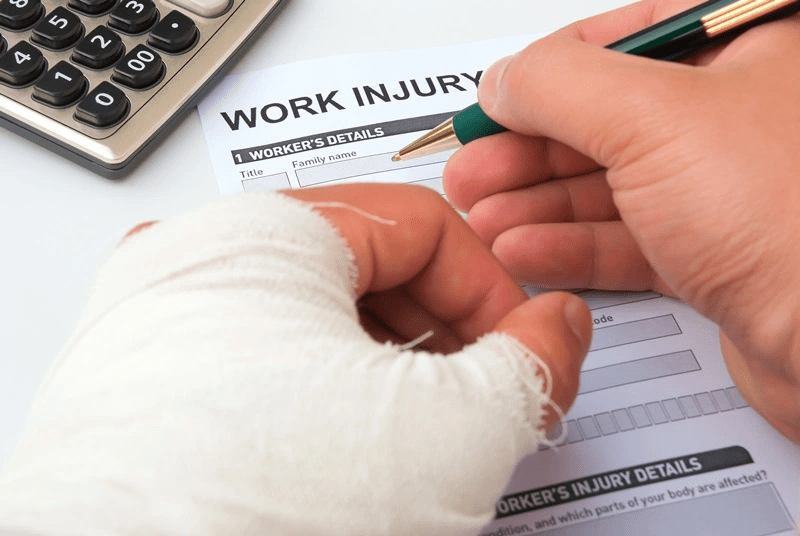
RIDDOR stands for the Reporting of Injuries, Diseases and Dangerous Occurrences Regulations, a key piece of legislation in the United Kingdom aimed at promoting workplace safety. First introduced in 1995 and revised over time, RIDDOR imposes legal duties on employers, self-employed individuals, and people in control of work premises to report certain types of incidents to the relevant authority—primarily the Health and Safety Executive (HSE) or the local authority.
RIDDOR law plays a critical role in helping regulatory bodies monitor workplace safety, investigate incidents, and prevent future accidents. It ensures that serious workplace incidents are officially recorded, analyzed, and addressed.
What Must Be Reported Under RIDDOR?
RIDDOR requires the reporting of specific types of incidents that occur in a workplace or in relation to work activities. The key categories that need to be reported are:
1. Workplace Injuries
Employers must report serious injuries that occur in the workplace, including:
- Fatalities: Any death resulting from a workplace incident, whether to an employee, self-employed individual, or a member of the public.
- Specified Injuries: These include severe injuries like fractures (except fingers, thumbs, and toes), amputations, injuries leading to permanent loss of sight, serious burns, and more.
- Over-seven-day Injuries: Injuries that result in an employee or worker being unable to perform their normal duties for more than seven consecutive days.
2. Work-related Diseases
RIDDOR also mandates the reporting of certain occupational diseases when linked to work activities, such as:
- Carpal tunnel syndrome
- Occupational asthma
- Dermatitis
- Severe work-related infections like tuberculosis
- Hand-arm vibration syndrome (HAVS)
3. Dangerous Occurrences (Near Misses)
These are incidents that could have led to serious harm but, fortunately, did not. Some examples include:
- Collapses or overturns of lifting equipment
- Explosions or fires causing work to stop for more than 24 hours
- Uncontrolled releases of flammable gases or harmful chemicals
- Electrical malfunctions that lead to serious risks or hazards
4. Injuries to the Public
If a non-employee (such as a visitor or a customer) is injured on work premises and needs hospital treatment, the incident must also be reported under RIDDOR.
The Importance of RIDDOR
RIDDOR is essential in the overall framework of workplace safety for several reasons:
1. Prevention of Future Incidents
By requiring the documentation and reporting of workplace accidents and near misses, RIDDOR helps authorities identify trends and high-risk areas. This allows for proactive interventions, improving safety measures and reducing future risks.
2. Accountability and Compliance
RIDDOR creates a system of accountability for employers. Failing to report an incident in compliance with the law can result in penalties, such as fines or prosecution. It encourages businesses to take health and safety seriously and adhere to safe working practices.
3. Data Collection for Safety Improvements
The information gathered through RIDDOR reporting enables the Health and Safety Executive (HSE) and other regulatory bodies to analyze risks across various industries. This data is crucial for formulating safety policies, improving regulations, and reducing hazards across the board.
Who Must Comply With RIDDOR?
RIDDOR applies to a wide range of individuals and organizations, including:
- Employers: Any business owner or employer is responsible for ensuring that incidents involving employees or the public are reported.
- Self-employed individuals: If self-employed individuals suffer or cause a reportable incident during their work, they must ensure compliance with RIDDOR.
- Those in control of work premises: This can include site managers, property owners, or those managing temporary work setups who must report accidents or dangerous occurrences on their premises.
Reporting Procedures Under RIDDOR
To report an incident under RIDDOR, the responsible person must file a report either online or via telephone to the Health and Safety Executive. The reports must be made in a timely manner:
- Fatalities and specified injuries must be reported immediately.
- Other injuries, such as those requiring more than seven days off work, must be reported within 15 days.
Once a report is filed, the HSE or relevant local authority may choose to investigate further, depending on the nature and seriousness of the incident.
Consequences of Non-compliance
Failure to comply with RIDDOR law can lead to serious consequences, including:
- Fines and Penalties: Organizations and individuals who fail to report incidents can face legal penalties. Fines for non-compliance can be substantial, depending on the severity of the breach.
- Prosecution: In cases of severe negligence, non-compliance can lead to criminal prosecution, especially if the failure to report is part of a broader disregard for health and safety regulations.
- Reputation Damage: Beyond the legal consequences, non-compliance with RIDDOR can also damage a company’s reputation, particularly if an incident becomes public knowledge.
Conclusion
RIDDOR is a vital component of workplace safety in the UK, ensuring that serious incidents, injuries, and diseases are properly documented and addressed. By requiring employers, self-employed individuals, and others responsible for work premises to report accidents and dangerous occurrences, RIDDOR law helps protect workers and the public, while promoting a culture of accountability and continuous safety improvement. Compliance with RIDDOR not only prevents accidents and saves lives, but it also safeguards businesses from legal and reputational risks.
 National Immigration Law
Leave a comment