
Introduction
Corporate bankruptcy can be a complex and challenging process for businesses facing financial distress. When a company is unable to meet its debt obligations, it may seek bankruptcy protection to restructure or liquidate its assets. A corporate bankruptcy lawyer plays a crucial role in guiding businesses through this process, ensuring legal compliance, and working to achieve the best possible outcome for the company. This article explores the role of a corporate bankruptcy lawyer, the types of corporate bankruptcy, and how to choose the right legal representation.
What is a Corporate Bankruptcy Lawyer?
A corporate bankruptcy lawyer specializes in legal matters related to business insolvency and bankruptcy. They provide expert advice and representation to companies seeking bankruptcy protection, helping them navigate the complex legal framework and make informed decisions. Their role includes advising on bankruptcy options, preparing and filing necessary documents, and representing the company in court proceedings.
Types of Corporate Bankruptcy
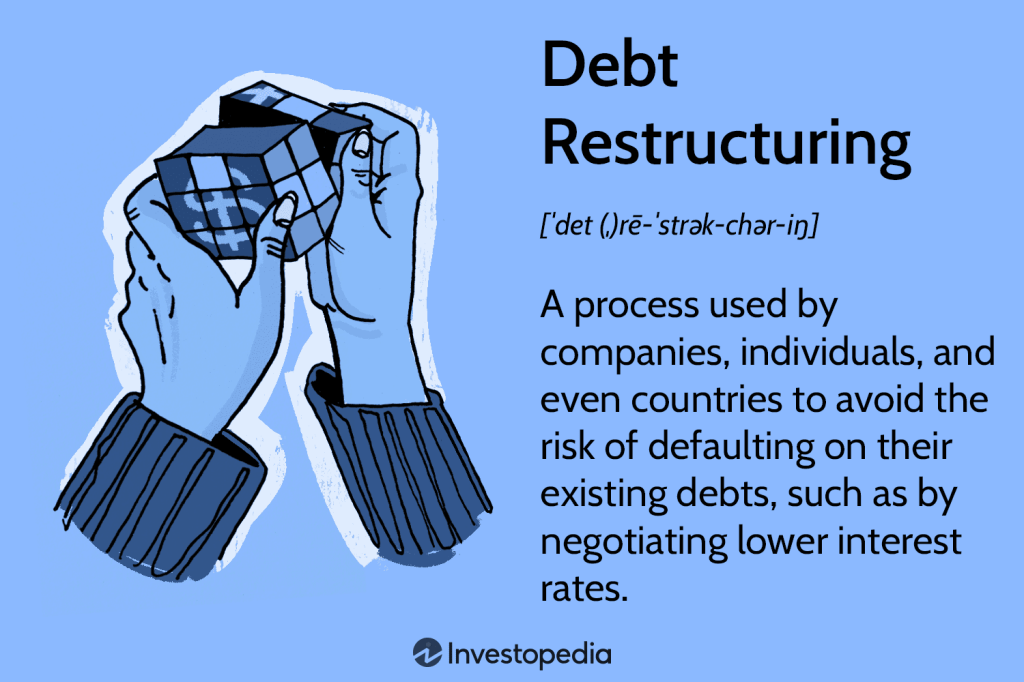
- Chapter 11 BankruptcyChapter 11 bankruptcy is designed for businesses that need to restructure their debts while continuing operations. Under Chapter 11, a company can propose a reorganization plan to reduce debts, renegotiate contracts, and regain financial stability. The company remains in control of its operations during the bankruptcy process, with the oversight of the court.
- Chapter 7 BankruptcyChapter 7 bankruptcy involves the liquidation of a company’s assets to pay off creditors. Unlike Chapter 11, Chapter 7 is typically used when a business cannot be salvaged and needs to cease operations. A trustee is appointed to oversee the sale of assets and distribution of proceeds to creditors.
- Chapter 12 BankruptcyChapter 12 bankruptcy is designed specifically for family farmers and fishermen. It allows them to restructure their debts while continuing to operate their businesses. The process is similar to Chapter 11 but tailored to the unique needs of agricultural and fishing operations.
- Chapter 13 BankruptcyAlthough Chapter 13 bankruptcy is primarily for individuals, it can sometimes be relevant for sole proprietors. It involves the restructuring of debts through a repayment plan, allowing the debtor to retain assets while repaying creditors over a period of three to five years.
The Role of a Corporate Bankruptcy Lawyer
- Legal Advice and ConsultationA corporate bankruptcy lawyer provides crucial legal advice, helping businesses understand their bankruptcy options and the implications of each. They assess the company’s financial situation, advise on the best course of action, and explain the legal and financial consequences.
- Preparation and Filing of DocumentsThe bankruptcy process requires extensive documentation, including petitions, schedules of assets and liabilities, and financial statements. A corporate bankruptcy lawyer prepares and files these documents with the court, ensuring accuracy and compliance with legal requirements.
- Developing a Reorganization PlanFor businesses filing under Chapter 11, developing a reorganization plan is essential. The lawyer works with the company to create a feasible plan to restructure debts, renegotiate contracts, and implement operational changes. They also negotiate with creditors and stakeholders to gain approval for the plan.
- Representation in CourtA corporate bankruptcy lawyer represents the company in court proceedings, including hearings, creditor meetings, and negotiations. They advocate for the company’s interests, address objections from creditors, and work to achieve a favorable outcome in the bankruptcy process.
- Handling Creditor NegotiationsNegotiating with creditors is a critical aspect of the bankruptcy process. The lawyer handles these negotiations, aiming to reach agreements that benefit the company and facilitate a successful reorganization or liquidation. They also address claims and disputes that may arise.
- Compliance and Risk ManagementCompliance with bankruptcy laws and regulations is essential to avoid legal pitfalls. A corporate bankruptcy lawyer ensures that the company adheres to all legal requirements, manages risks associated with the bankruptcy process, and helps mitigate potential legal and financial issues.
Choosing the Right Corporate Bankruptcy Lawyer
- Experience and ExpertiseLook for a lawyer with extensive experience in corporate bankruptcy and a track record of handling similar cases. Expertise in the specific type of bankruptcy relevant to your business and familiarity with local laws and court procedures are crucial.
- Reputation and ReferencesResearch the lawyer’s reputation by reading client reviews and seeking references. A strong reputation and positive feedback from past clients can indicate a competent and reliable attorney.
- Initial ConsultationMany corporate bankruptcy lawyers offer initial consultations. Use this opportunity to discuss your case, assess the lawyer’s approach, and determine if you feel comfortable working with them. Pay attention to their communication style and understanding of your business.
- Fee StructureUnderstand the lawyer’s fee structure before hiring them. Bankruptcy lawyers may charge hourly rates, flat fees, or require a retainer. Ensure that you are clear about the costs and what services are included in the fee.
- Personal CompatibilityChoose a lawyer with whom you feel comfortable discussing sensitive financial and legal matters. Personal compatibility and trust are important for a successful attorney-client relationship.
The BanCkruptcy Process
- Pre-Filing PreparationBefore filing for bankruptcy, the company must prepare by gathering financial documents, assessing debts, and exploring bankruptcy options. The lawyer helps with this preparation and advises on the timing and strategy for filing.
- Filing the PetitionThe formal bankruptcy process begins with filing a petition with the court. This includes submitting necessary documents and information about the company’s financial situation. The lawyer handles the filing process and ensures all requirements are met.
- Automatic StayUpon filing for bankruptcy, an automatic stay goes into effect, halting collection actions by creditors. The lawyer monitors compliance with the stay and addresses any violations.
- Plan ConfirmationFor Chapter 11 cases, the company must propose and seek confirmation of a reorganization plan. The lawyer works to develop a viable plan, negotiate with creditors, and obtain court approval.
- Asset Liquidation or ReorganizationDepending on the type of bankruptcy, assets may be liquidated or restructured. The lawyer manages the process, ensuring fair treatment of creditors and compliance with legal requirements.
- Discharge and ConclusionThe bankruptcy process concludes with a discharge of debts (in Chapter 11 or 13) or completion of asset liquidation (in Chapter 7). The lawyer ensures that all legal requirements are met and addresses any remaining issues.
Conclusion
A corporate bankruptcy lawyer plays a vital role in guiding businesses through the complexities of bankruptcy, whether they are seeking to reorganize, liquidate assets, or address financial challenges. Understanding the role of a corporate bankruptcy lawyer, the types of bankruptcy, and how to choose the right legal representation are crucial for navigating this intricate process. By providing expert advice, handling documentation, and representing the company’s interests, a corporate bankruptcy lawyer helps businesses achieve the best possible outcome and navigate the path to financial recovery.
 National Immigration Law
Leave a comment